

Image © Adobe Images
Analysts at Barclays maintain a constructive view of the dollar and forecast the pound to dollar exchange rate lower into mid-year.
It's been a decent start to the year for the dollar, notwithstanding the extraordinary attempt by U.S. President Donald Trump to capture the Federal Reserve via the justice system.
Although the dollar fell in response to news of subpoenas served on the Fed over its handling of the costs associated with the refurbishment of its headquarters, it soon found its feet again.
Resilience is therefore the watchword.
"Our constructive outlook for the dollar remains in place into 2026," says Barclays in this week's FX market analysis snapshot.
Recent U.S. data has been a lot firmer than the market acknowledges, "if not outright accelerating," says Barclays.
Analysts cite a very strong Q3 GDP and October retail sales (the November update is due on Thursday), persistently low jobless claims, a lower U3 in last week's employment report and a pickup in lagging surveys such as the Services ISM.
This week's data adds to the sentiment with a brisk 0.3% m/m inflation reading released Tuesday, followed by resilient retail sales and housing data released midweek.
"What is more, the economy is set to receive considerable support from the OBBB's fiscal stimulus, easier financial conditions and a still-underappreciated wave of AI-related investment spending," says Barclays.
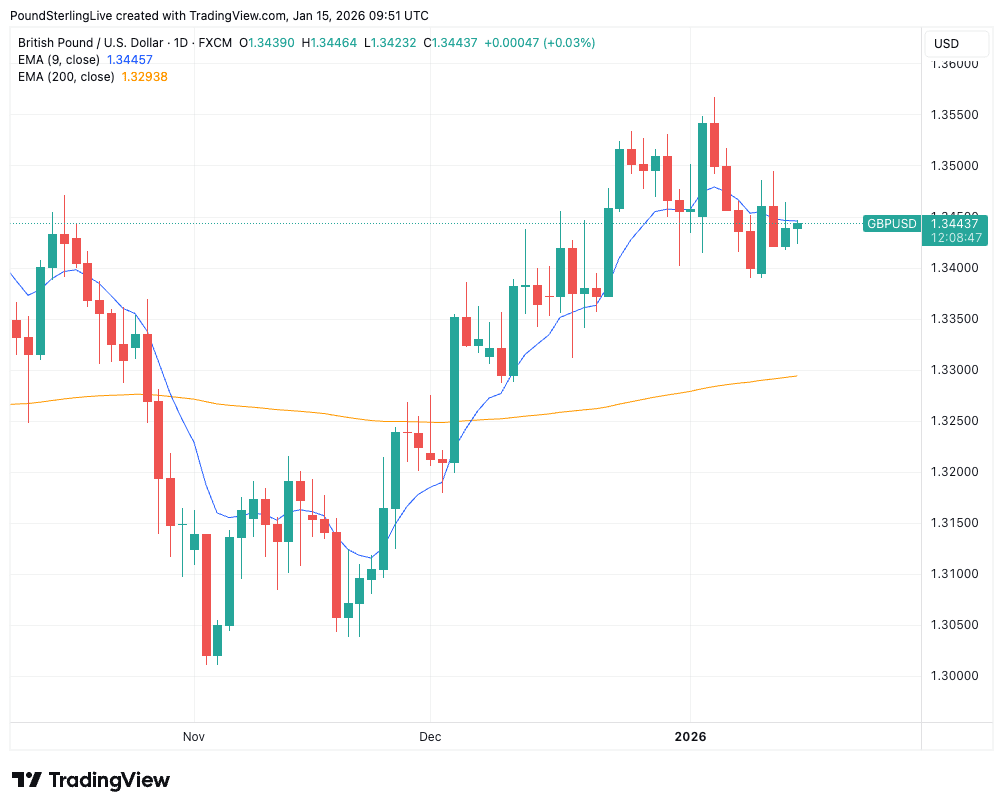
Above: GBP/USD technicals are still constructive, with studies showing the current pullback is a correction.
Against this backdrop, economists at the bank say the market's terminal rate pricing for the base Fed rate of about 3% could "be seen as somewhat dovish."
Barclays forecasts euro-dollar back to 1.14 by the mid-year point, while pound-dollar is forecast at 1.33 by this point.
"We maintain a constructive outlook for the dollar," says the bank in its year-ahead assessment.
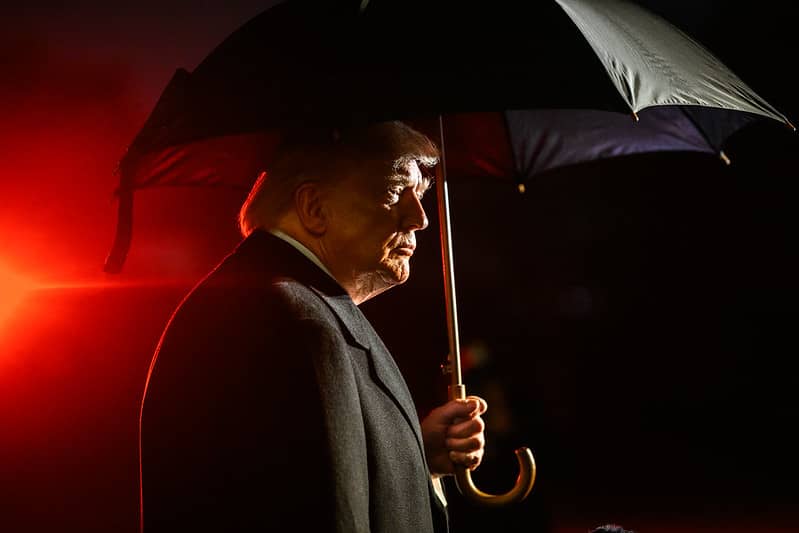
U.S. President Donald Trump, who repeatedly criticised the Fed's monetary stance during the course of 2025. File image. Official White House Photo by Molly Riley.
Analysts at Invesco - the multi-trillion dollar investment manager - meanwhile warn investors that the decision by Trump's Department of Justice to pursue legal action against the Fed and its Chair Jerome Powell spell a significant risk to the Greenback and U.S. assets.
“The independence of the central bank is critical,” Invesco says, adding that it is “a foundational principle of modern macroeconomic management and a cornerstone of financial market confidence.”
However, Invesco says the potential use of the justice system against a sitting Fed chair represents a line markets have not previously had to price, creating what it calls a material near-term challenge for risk assets.
"The most immediate implication is likely upward pressure on interest rates, driven by higher inflation expectations,” Invesco says.
"Higher rates, in turn, are likely to weigh on US stock valuations, particularly for sectors and styles that are most sensitive to changes in discount rates. The US dollar is also likely to come under pressure," it says.
The dollar's resilience in the wake of developments suggests investors think Trump won't make much headway. However, this could change if he becomes more determined in efforts to lower interest rates as part of his crusade to lower the cost of living for Americans.