
Image © Adobe Stock
The British pound can extend a recent recovery against the dollar in the coming days, helped by supportive geopolitical developments. Watch the Fed midweek.
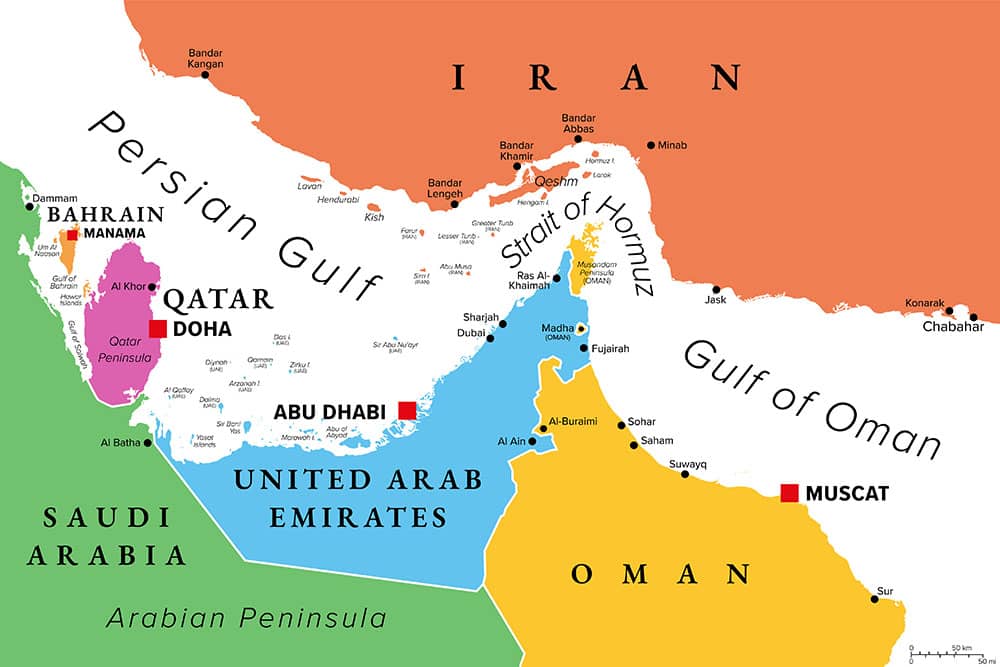
The U.S. and Iran have agreed on the outline of a transitional peace deal - it's a major stepping stone to a final accord - that can allow for the normalisation of oil and gas exports from the Middle East.
Headlines out at the start of the week see both Iran and the U.S. confirm a plan has been agreed, with a signing scheduled in Switzerland on Friday.
Oil prices have duly fallen and the dollar is softer across the board, stoking investor appetite and helping the pound to dollar conversion rise to 1.3440 in Monday trade:
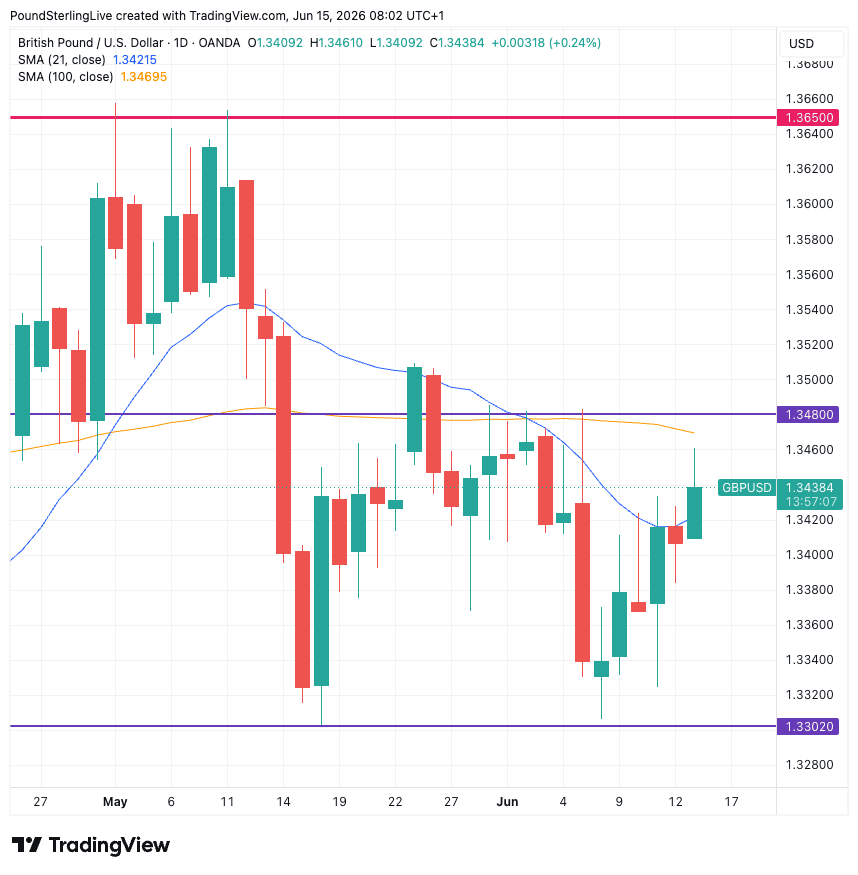
The Week Ahead Forecast is constructive with the GBP/USD exchange rate in the process of rising above the 21-day moving average at 1.3421; a daily close above here would signal short-term momentum has shifted in sterling's favour.
The near-term target is the flat 100-day moving average located at 1.3469, with a more concerted rally, possible over the remainder of the month, then targeting 1.3480.
Upside beyond here will be limited, however, as the exchange rate is still rangebound on a multi-week basis: the pair has inhabited a range between 1.3320 - 1.3650 for the majority of 2026, confirming a sideways trend is still intact until there's a significant shift in FX market narrative.
These constraints limit upside and downside potential medium-term, but for a short-term timeframe, there's a definite sense we're entering another upswing and that the upside of the range is back in play now that a lasting Middle East peace deal is in prospect.
Why This Isn't an All-clear to Sell USD
Meaningful falls in oil and gas prices over the coming weeks will open the door to a weaker dollar as the pre-war trend of USD decline is re-engaged.
However, the trade has its limits as there are still reasons to be cautious:
1) We don't have sight of the agreement and there are contradictory takes from the U.S. and Iranian sides. Contradictory takes leave some risk for disappointment and the delay of a signing ceremony.
2) Oil prices haven't simply snapped back to pre-war levels, implying the war will leave an enduring premium for some time. On the margin, that's inflationary and can keep the dollar's residual bid.
"Even if the agreement leads to the Strait of Hormuz reopening, backlogs, bottlenecks and the impact of inflation expectations from higher fuel prices could still be significant – this was essentially the ECB argument for hiking last week," says a daily market brief from Lloyd Bank.
3) Owing to inflationary trends, money markets show investors still see scope for a Fed rate hike this year, even if it's not fully priced. Nevertheless, that's a big shift from pre-war expectations for at least two rate cuts. For the dollar to move meaningfully lower, the market must swing back to thinking about cuts.
4) The U.S. economy is outperforming expectations, as per this month's run of solid data prints which point to a cyclical upswing and adds to the view that the Fed should keep rates on hold for an extended period.
"The US economy has been resilient, despite the energy shock, with the labour market showing signs of recovery from a winter soft patch and equity market momentum lifted by the AI/tech outlook," says Lloyds.
This brings us to the week's main event for pound-dollar: the Federal Reserve meeting, due Wednesday.
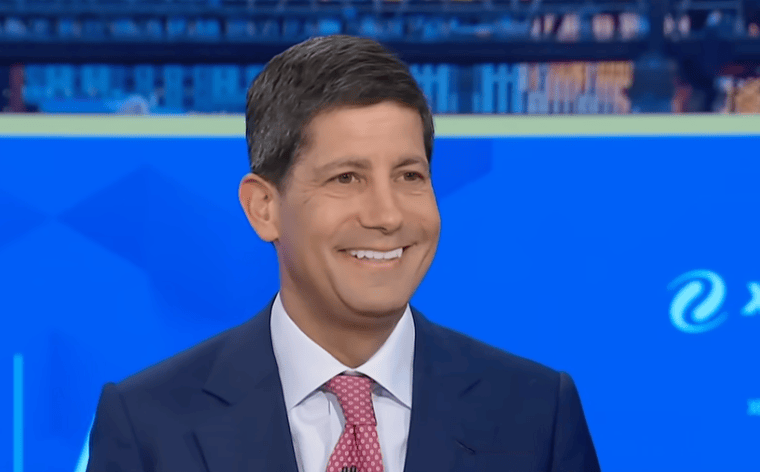
File image of Kevin Warsh. Still courtesy of CNBC.
This will be Kevin Warsh's first meeting in the hot seat, and markets are not expecting any fireworks, given that he's committed to reducing the volume of communications put out by the Fed during his tenure.
Nevertheless, the market will be looking to see how the Fed handles a shift from communicating that there is a need to lower interest rates in the future to a more neutral outlook.
That's pretty much expected and should therefore be in the price of the dollar.
Surprises would be a more discernible lean towards considering rate cuts again in the future, perhaps on the basis that oil and gas prices are likely to fall in response to developments in the Middle East.
If so, the dollar could come under some pressure on the day.